Film Name: 岁月神偷 / Echoes Of The Rainbow / 歲月神偷
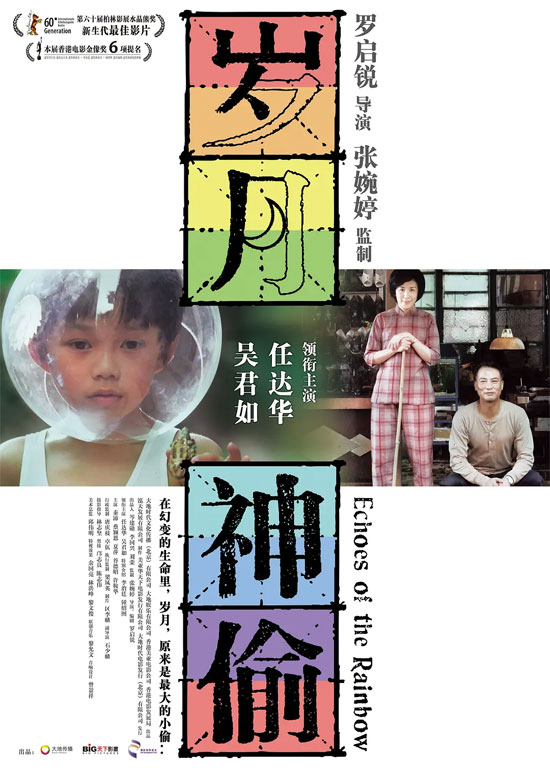
For someone like me with no threshold for tears, watching a film like this truly puts my tear ducts under extreme strain for two hours straight. Both films revisit the past, both explore familial bonds, both reflect on the passage of time. Yet after watching Jiang Wenli’s “Lan,” I found “Echoes of the Rainbow” increasingly prone to sentimentality—especially with Li Yunwen’s masterful score, which alone could reduce anyone to tears. In contrast, “Lan” expresses its emotions with restraint, rationality, and gradual progression, building a powerful resonance that lingers long after the credits roll. Though it didn’t leave me in tears, I couldn’t help but feel a persistent, subtle ache in my nose—an inexpressible, lingering pain that was impossible to resist.
This month, I’ve formed an inexplicable bond with the Contemporary MOMA. Another Sunday, alone under an umbrella, I took the B8 bus, Line 1, Line 2, and walked—following the exact same route as last week—to see “Echoes of the Rainbow” for the second time. Then, in the same order as before, I cried through every single tear-jerking moment. This was an experiment. Though I tried my hardest to hold back, it ultimately failed. It proved beyond doubt that the tear ducts and the nerves governing emotion are indeed tightly intertwined. I must admit this is a profoundly devastating film, even when watching it a second time with full knowledge of each character’s fate.
What makes “Echoes of the Rainbow” so moving extends beyond family bonds, romantic love, or life-and-death partings. It captures a generation’s irreplaceable coming-of-age experience. You’ll never again be teased by childhood friends, share meals outdoors with neighbors, do homework with siblings after dinner, or treasure those little odds and ends. All those beautiful old times have vanished without a trace. Thankfully, our minds hold the memories, and thankfully, films can bring them back.
The family in the film is ordinary working-class: Dad makes shoes, Mom sells them, the older brother excels in school, and the younger brother is mischievous and adorable. Father says, “A man must keep his head held high.” Mother says, “A person must always have faith.” Father makes a pair of shoes for Mother, who names them “Step of Hardship” and “Step of Joy.” When the typhoon blows through the roof, The Monkees’ “I Wanna Be Free” plays on the radio as shoes scatter with the storm—human yearning for beauty always intertwines with the hardships of reality. Poverty casts its shadow: the elder son’s face darkens at the sight of his girlfriend’s mansion; the younger son wails when he can’t have a whole mooncake to himself. Father pawns his ring to pay for his son’s blood transfusion; Mother clutches his bare fingers, choking back tears. Fate varies, wealth differs, yet poverty doesn’t necessarily mean misfortune. The bond of affection remains the true measure of happiness.
The sincerity of “Echoes of the Rainbow” lies in its restraint of sorrow, its revelation of smiles, and its steadfast holding onto a faint hope.
Desire and blood ties are innate. Everyone strides forward with enthusiasm, few pausing to look back at the path they’ve walked. As you grow older, you fail to notice your loved ones gradually aging and eventually passing away. One day, you will trade affection for desire. As Grandma said, if you cast all your cherished things into the sea of suffering until it overflows, you will reunite with your family.
The beauty and cruelty of life lie in this truth: genuine affection never expires. Yet each person’s destiny has its own deadline. Once it passes, there is no waiting.